Fleas, Ticks, & Mosquitoes Oh My!
Spring is here and social media is blowing up once again with questions of "What should I do to prevent fleas and ticks on my pet?" Scroll to the bottom to see our suggestions and our protocol, as well as links to purchase. But we first must talk about WHY we don't recommend using these.
Dr Judy Morgan also has a great blog on Flea & Tick Prevention. Visit it by clicking here.
Dr Judy Morgan also has a great blog on Flea & Tick Prevention. Visit it by clicking here.
Oral Preventatives
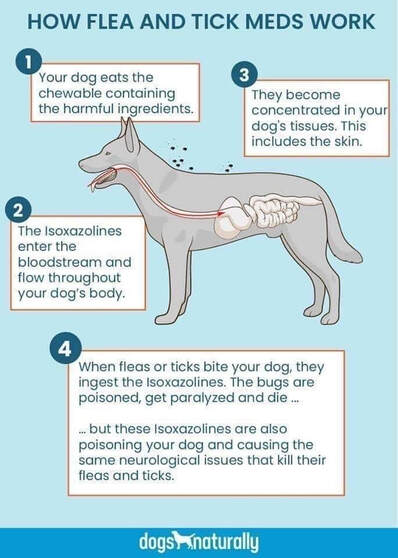
How Oral Flea And Tick Preventatives Work:
When you give your dog isoxazolines, they work systemically. This means they’re absorbed into the bloodstream and they affect the ENTIRE body. When fleas and ticks bite your dog and ingest the blood, they also ingest the chemicals … and become paralyzed and die. So you are basically creating toxic, poisonous blood.
Although the Food and Drug Administration (FDA) has finally alerted pet owners and veterinarians that there is the potential for neurological damage when using drugs in the isoxazoline class, they still market them as "safe". Unbelievable. The standpoint is that your dog is a lot larger than a flea, so they can consume a little bit of poison and it won’t hurt them like it does the flea. Well, I'm sorry, I don't want my dog or any of our rescue dogs to consume ANY POISON at all at any time. I dont think that is unreasonable. Even if that one little dose of poison doesn't cause side effects the first time you give it, what happens when you give your dog a small amount of this poison every month for years? The manufacturer doesn’t actually know what happens … because safety studies were only done for 3 months. Here is one study - the safety data for Simparica over only three months.
When you give your dog isoxazolines, they work systemically. This means they’re absorbed into the bloodstream and they affect the ENTIRE body. When fleas and ticks bite your dog and ingest the blood, they also ingest the chemicals … and become paralyzed and die. So you are basically creating toxic, poisonous blood.
Although the Food and Drug Administration (FDA) has finally alerted pet owners and veterinarians that there is the potential for neurological damage when using drugs in the isoxazoline class, they still market them as "safe". Unbelievable. The standpoint is that your dog is a lot larger than a flea, so they can consume a little bit of poison and it won’t hurt them like it does the flea. Well, I'm sorry, I don't want my dog or any of our rescue dogs to consume ANY POISON at all at any time. I dont think that is unreasonable. Even if that one little dose of poison doesn't cause side effects the first time you give it, what happens when you give your dog a small amount of this poison every month for years? The manufacturer doesn’t actually know what happens … because safety studies were only done for 3 months. Here is one study - the safety data for Simparica over only three months.
So what are the side effects of Oral Flea and Tick Meds?
- Tremors.
- Seizures.
- Ataxia – stumbling, falling, uncoordination.
- Vomiting.
- Diarrhea.
- Loss of appetite.
- Skin irritations.
- Lethargy.
Many of these combination Heartworm and flea and tick preventatives also include a dewormer. But you should never treat your dog for worms unless he has them. This is not a "preventive" it's a treatment. Why are you treating something they don't actually have? Run a fecal test with your veterinarian every 4-6 months, just as you would Heartworm test. These tests are relatively cheap (approximately $30 at most vet clinics in the US; in the UK you want to order a "WormCount" online). IF Your dog does have a parasite, you can then chose the appropriate dewormer to treat before it becomes a problem.
Know your ingredients.
Ingredients Against Fleas And Ticks
Unnecessary De-Wormers Often Included
Ingredients Against Fleas And Ticks
- Afoxalaner – in the isoxazoline family
- Fluralaner – in the isoxazoline family (can last 12 weeks)
- Sarolaner – an acaricide and insecticide also belonging to the isoxazoline family
- Lotilaner – an ectoparasiticide belonging to the isoxazoline family (1 month duration)
- Spinosad – made from soil bacteria that is toxic to insects and found in garden insect spray
- Lufenuron – controls flea infestations by preventing the hatching of eggs, and prevents the flea shell from developing
Unnecessary De-Wormers Often Included
- Milbemycin oxyme – broad spectrum antiparasitic for heartworm, and internal parasites including hookworm and roundworm
- Moxidectin – an anti-parasitic to control heartworm and intestinal parasites
- Pyrantel – an anthelmintic, or dewormer
- Praziquantel – an anthelmintic used for parasites like tapeworms
Are flea and tick collars safer?
The absorption of chemicals is through the skin, vs oral ingestion. Once absorbed through the skin, the chemical circulates through the bloodstream. When a flea or tick draws blood from your dog, it’s infected with the chemical and dies. These collars are marketed for external use only … but how does your dog know that? He cleans himself by licking his skin and fur. He’ll easily ingest the collar’s pesticides that disperse onto his fur and skin over several months … through his whole body.
Your dog is a mammal and they tolerate pyrethroid insecticides such as flumethrin much better than insects like fleas. For insects the toxicity is 1,000 times higher. But your dog has constant exposure to this chemical through his skin, breathing it in, and potentially ingesting it through licking … so is it really that safe?
The EPA reports from January 2012 through mid-June 2020 for Seresto collars was 1,698 pet deaths; more than 73,000 injuries rated as minor, moderate or major; and almost 1,000 reports of harm to humans. That includes a 12-year-old boy who had seizures and vomiting after sharing his bed with a dog wearing the collar.The product registration document filed with the EPA warns that children should avoid contact and shouldn’t play with the collars. But it's ok for our dogs to wear them 24/7 without harm? Right.
Your dog is a mammal and they tolerate pyrethroid insecticides such as flumethrin much better than insects like fleas. For insects the toxicity is 1,000 times higher. But your dog has constant exposure to this chemical through his skin, breathing it in, and potentially ingesting it through licking … so is it really that safe?
The EPA reports from January 2012 through mid-June 2020 for Seresto collars was 1,698 pet deaths; more than 73,000 injuries rated as minor, moderate or major; and almost 1,000 reports of harm to humans. That includes a 12-year-old boy who had seizures and vomiting after sharing his bed with a dog wearing the collar.The product registration document filed with the EPA warns that children should avoid contact and shouldn’t play with the collars. But it's ok for our dogs to wear them 24/7 without harm? Right.
Active Ingredients In Flea And Tick Collars
- Flumethrin – a synthetic pyrethroid, in the same category as insecticides like permethrin. Pyrethroids paralyze the insects’ nervous systems.
- Pyrethroid – a synthetic chemical class of insecticides isolated from the chrysanthemum. Permethrin is one of those insecticides. Permethrin poisons the central nervous system.
- Deltamethrin – another synthetic version of pyrethrin from the chrysanthemum. It’s an insecticide used in malaria control and as a coating on mosquito nets.
- Imidaclooprid – it’s a neonicotinoid insecticide used for crop protection and in pet insecticides.
- Tetrachlorvinphos – it’s an insecticide. It’s used as a medication, insecticide and nerve agent as a weapon. Used as an oral larvicide in livestock and against flies in dairy. Kills fleas, ticks, lice, chiggers, mites, spiders and wasps.
- Methoprene – slow acting insecticide that interferes with the growth cycle of an insect to prevent it from maturing and reproducing.
- Pyriproxyfen – used in pesticides, it mimics a natural hormone in insects and prevents eggs from hatching. It’s used to control fleas, cockroaches, ticks, ants, carpet beetles and mosquitoes.
Side Effects Of Flea And Tick Collars
The chemicals used in these collars are neurotoxins, endocrine disruptors and immunosuppressants. They can cause these signs and symptoms …
The chemicals used in these collars are neurotoxins, endocrine disruptors and immunosuppressants. They can cause these signs and symptoms …
- Nausea, vomiting
- Seizures
- Diarrhea
- Salivation
- Tremors and Convulsions
- Hyperactivity and hypersensitivity to touch or sound
- Inflammation
- Kidney and liver damage
- Organ toxicity
- Disrupts proper functioning of antioxidants
- Thyroid damage
- Abortions and birth defects
Knock-Offs
Another big problem more common in the collars than the oral meds is purchasing fake collars. Oral Preventatives are by prescription only, so you have to purchase them through a pharmacy (never buy them from amazon or other places that do not require a prescription!) Flea/Tick collars do not require a prescription so you can purchase them practically anywhere.
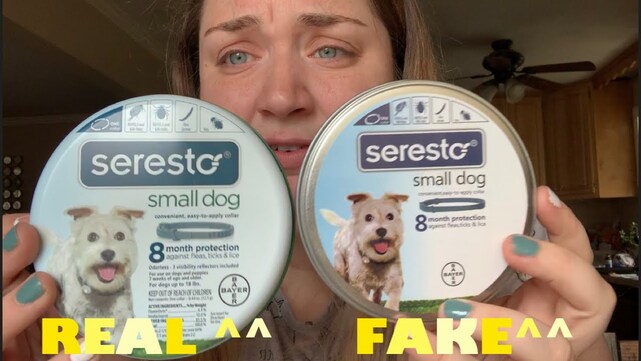
The well-known Seresto flea collar saw even more deaths due to knock off counterfeit versions sold online. The bogus collars might not protect your pet from fleas and ticks, but the more scary problem is that the ingredients might be even more harmful than chemicals in the real thing. They can cause severe illness as well as burns. If you believe you have a fake collar, you need to call Bayer directly. Give them the lot number and serial number of the product and find out if they made it.
Did you know earlier in 2021, the US House Subcommittee on Economic and Consumer Policy called on Elanco, manufacturer of the Seresto collar, to temporarily recall its collar. The company refused to do so, but states they are documenting consumer complaints as requested along with their internal communications about collar safety and sales volume. In its statement addressing this request, Elanco noted more than 25 million collars sold in the US. The incident report rate for all adverse events was .3%. The simple math is that 750,000 animals had some type of reaction to the Seresto collar since 2012. So even a low percentage of problems is a lot of harmed animals!
Another big problem more common in the collars than the oral meds is purchasing fake collars. Oral Preventatives are by prescription only, so you have to purchase them through a pharmacy (never buy them from amazon or other places that do not require a prescription!) Flea/Tick collars do not require a prescription so you can purchase them practically anywhere.
The well-known Seresto flea collar saw even more deaths due to knock off counterfeit versions sold online. The bogus collars might not protect your pet from fleas and ticks, but the more scary problem is that the ingredients might be even more harmful than chemicals in the real thing. They can cause severe illness as well as burns. If you believe you have a fake collar, you need to call Bayer directly. Give them the lot number and serial number of the product and find out if they made it.
Did you know earlier in 2021, the US House Subcommittee on Economic and Consumer Policy called on Elanco, manufacturer of the Seresto collar, to temporarily recall its collar. The company refused to do so, but states they are documenting consumer complaints as requested along with their internal communications about collar safety and sales volume. In its statement addressing this request, Elanco noted more than 25 million collars sold in the US. The incident report rate for all adverse events was .3%. The simple math is that 750,000 animals had some type of reaction to the Seresto collar since 2012. So even a low percentage of problems is a lot of harmed animals!
Spot-On Flea And Tick Prevention
These are applied to your dog by dropping the medication onto spots along your dog’s back. It then distributes over your dogs body and is absorbed through their skin, into their bloodstream and travels into the sebaceous glands. Like all products given to your dog by mouth or bloodstream, they remain in your dog’s system. As the chemicals circulate through the body, no matter where he licks, the chemicals get secreted through his skin throughout his body

Active Ingredients In Spot-Ons
- Fipronil -- broad-spectrum insecticide that belongs to the phenylpyrazole chemical family. It disrupts the insect’s central nervous system and causes hyperexcitation of its nerves and muscles.
- Imidacloprid – a systemic insecticide that acts as an insect neurotoxin to attack the central nervous system of sucking pests like fleas. It’s also toxic to honeybees and mimics the effects of nicotine on insects.
- Permethrin – a systemic insecticide that acts as an insect neurotoxin to attack the central nervous system of sucking pests like fleas. It’s also toxic to honeybees and mimics the effects of nicotine on insects. . Also used to treat lice.
- Pyriproxyfen – a systemic insecticide that acts as an insect neurotoxin to attack the central nervous system of sucking pests like fleas. It’s also toxic to honeybees and mimics the effects of nicotine on insects.
- Moxidectin – broad-spectrum insecticide that belongs to the phenylpyrazole chemical family. It disrupts the insect’s central nervous system and causes hyperexcitation of its nerves and muscles.
- Dinotefuran – in a class of neuro-active insecticides known as neonicotinoids that are chemically similar to nicotine. It does not require ingestion by the insect to be effective.
- (S)-methoprene – an insecticide that stops growth and development. It prevents egg-laying and hatching, so pests don’t reproduce.
- Selamectin – an antiparasitic and antihelminthic insecticide used on dogs to treat heartworms, fleas, ear mites, sarcoptic mange. It’s a dewormer and an insecticide.
Side Effects Of Spot-Ons
The EPA’s Pesticide Division, found that fipronil enters the body and can be contained in the fat, organs, urine and feces of dogs. The EPA also found that most of the reactions to fipronil involved systemic as well as application site, digestive, neurological and behavioral disorders. The most common clinical signs were:
The EPA’s Pesticide Division, found that fipronil enters the body and can be contained in the fat, organs, urine and feces of dogs. The EPA also found that most of the reactions to fipronil involved systemic as well as application site, digestive, neurological and behavioral disorders. The most common clinical signs were:
- Skin reactions like hair loss, itching, and redness
- Dermatitis
- Sores
- Irritation
- Hair changes at the application site
- Neurological issues like uncoordinated movement
- Lethargy
- Vomiting
- Dilated pupils
- Changes in behavior
- Changes in breathing
- Changes in muscle control
WHAT WE RECOMMEND:
LAYERING natural preventatives is most successful! I've found that people who claim natural preventatives don't work are the ones who don't use them often enough, and/or only pick one of the following. Applying one spray of essential oils every month isn't going to cut it. Layering these approaches make for a solid defense against fleas, ticks, and mosquitos. I have been doing this for nearly a decade from South Florida to Indiana. It works!
First off, focus on overall health and a strong immune system
It's true, a healthy dog isn’t a good host for fleas and ticks. Start your dog’s journey to good health before flea season begins. Here are some lifestyle changes to start with:
It's true, a healthy dog isn’t a good host for fleas and ticks. Start your dog’s journey to good health before flea season begins. Here are some lifestyle changes to start with:
- Feed a species appropriate fresh diet (raw or cooked).
- Avoid chemicals, pesticides, fertilizers and toxic cleaners.
- Minimize vaccines and pharmaceutical drugs
Diet
As stated above, a species appropriate diet low is key. I've had animals in the same house whose only difference is kibble vs raw and the raw fed animals did not have fleas! Decrease or eliminate starchy carbs, such as those found in kibble.
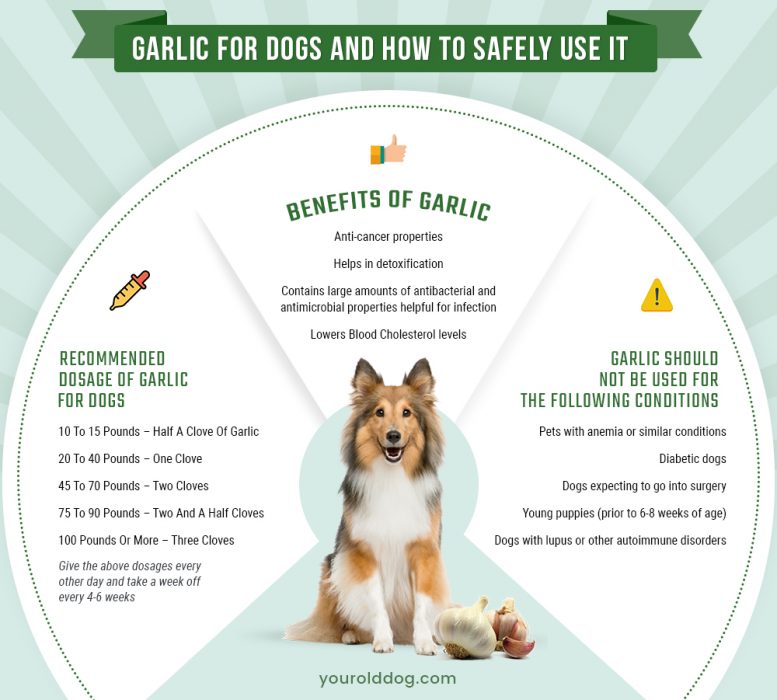
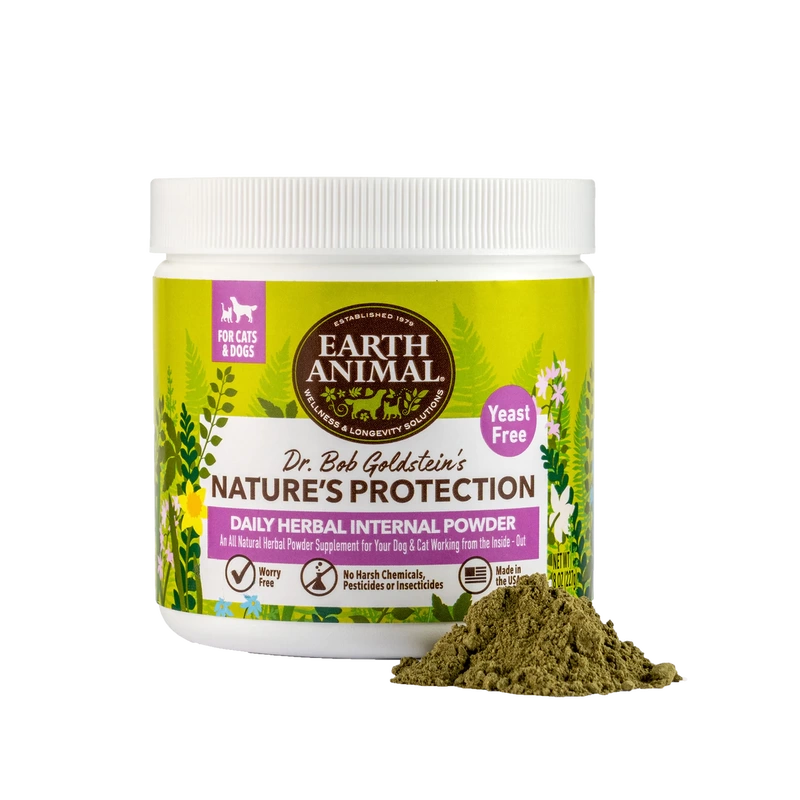
Add finely diced fresh organic garlic to your dog’s meals every day. Allow it to sit for 10 minutes after dicing. Give a large dog up to 2 cloves a day. Smaller dogs can have up to 1 clove. Dr Judy Morgan states that a good rule of thumb would be no more than 1/2 clove per 20 pounds of body weight daily, with a maximum of 2 cloves for any size dog. Or use a Garlic supplement such as Earth Animal Flea & Tick Powder.
As stated above, a species appropriate diet low is key. I've had animals in the same house whose only difference is kibble vs raw and the raw fed animals did not have fleas! Decrease or eliminate starchy carbs, such as those found in kibble.
Add finely diced fresh organic garlic to your dog’s meals every day. Allow it to sit for 10 minutes after dicing. Give a large dog up to 2 cloves a day. Smaller dogs can have up to 1 clove. Dr Judy Morgan states that a good rule of thumb would be no more than 1/2 clove per 20 pounds of body weight daily, with a maximum of 2 cloves for any size dog. Or use a Garlic supplement such as Earth Animal Flea & Tick Powder.
|
|
Essential Oils
Essential oils are a TRUE presentation. They repel fleas/ticks/mosquitos from even landing on your dog. Not all essential oils are created equal. The ONLY essential oils we recommend are animalEO, created by Dr Melissa Shelton.
There are 3 blends that are formulated for repellents. We rotate all 3.
Essential oils are a TRUE presentation. They repel fleas/ticks/mosquitos from even landing on your dog. Not all essential oils are created equal. The ONLY essential oils we recommend are animalEO, created by Dr Melissa Shelton.
There are 3 blends that are formulated for repellents. We rotate all 3.
|
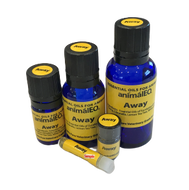
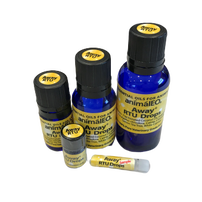
Away -
Right before your dogs go outside, apply several drops of Away RTU via Petting, all over them. For the Petting Technique – place 3-5 drops of Away RTU Drops into your hands, rub them together until a light coating remains, then pet onto the dog. I often rub around the “ankle” area of my dogs, since ticks will often contact this area first, as they start to climb up the legs. I also rub down the legs, around the neck, shoulders, rump area, and back. If you prefer to make a water-mist, follow the directions on the original Away page. You would be purchasing the Away NEAT to dilute. The Away NEAT can also be used in a diffuser (the RTU is pre-diluted in coconut oil, so it's great for topical application but not for diffusion). |
|
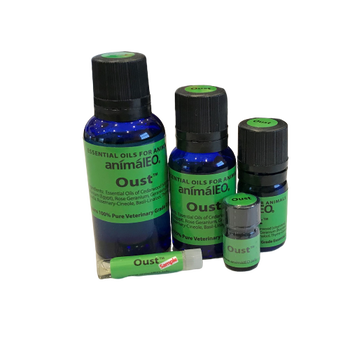
Oust-
In most cases, we find 40-60 drops of Oust in a 4 ounce glass spray bottle works great for insect repellent. Spritz all over dog, focusing on legs, underbelly, and back (obviously don't spray directly in face; do we have to say that? probably). You can also use in a diffuser outside to keep insects away. (Oust is also quite excellent at eliminating odors on the dog, or on dog bedding, couches, etc. Oust is my personal favorite because of the Germanium oil in it) |
|
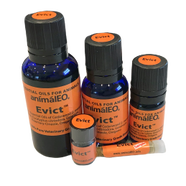
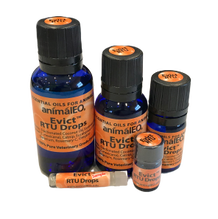
Evict -
Evict RTU Drops is already diluted within Fractionated Coconut Oil for topical use – directly from the bottle. Place between 4-10 drops of Evict RTU Drops into your hands – rub them together to distribute a film of oil, and then pet your dogs coat. For insect repellent; rubbing down the legs, neck, shoulders, and back are good locations to concentrate on. I especially focus on the “ankle” area, since ticks will often contact this area first, as they start to climb up the legs. The Evict water mist can also be used on dogs as an insect repellent. Use approximately 40-60 drops of Evict in a 4 ounce glass spray bottle. Spritz all over dog, focusing on legs, underbelly, and back (obviously don't spray directly in face; do we have to say that? probably). See more information on Water Misting HERE. |
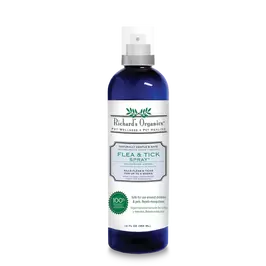
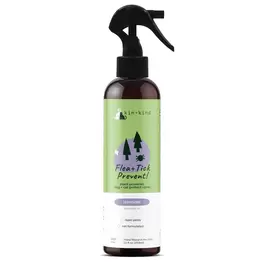
Topical Natural Sprays
There are several sprays that you can apply directly to the dog. We have had good success with Kin + Kind and Richard's Organics.
If you are going on a walk/hike/kayaking/etc , spray an additional layer on your dog before your outing for best protection. We used to spray both ourselves and our dogs prior to hiking in the Florida parks; we would watch as mosquitoes hovered above us but never landed on us. Pretty awesome!
|
|
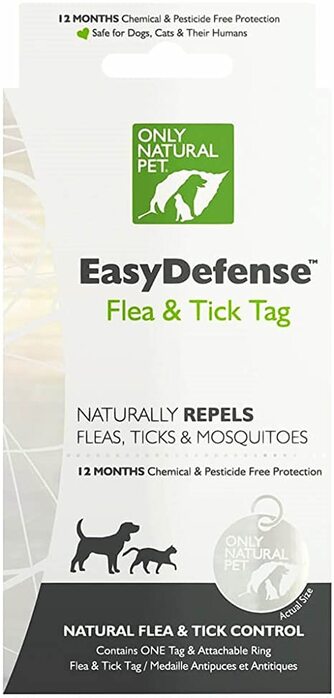
Flea And Tick Tags
There are several brands of tags that work energetically. They start working after 2-3 weeks on your dog’s collar and must stay on your dog 24/7. (If you take the collar off at night, keep it where your dog sleeps so it remains activated.) They usually last for a year. We use the Easy Defense Tag.
|

|
Amber Collars
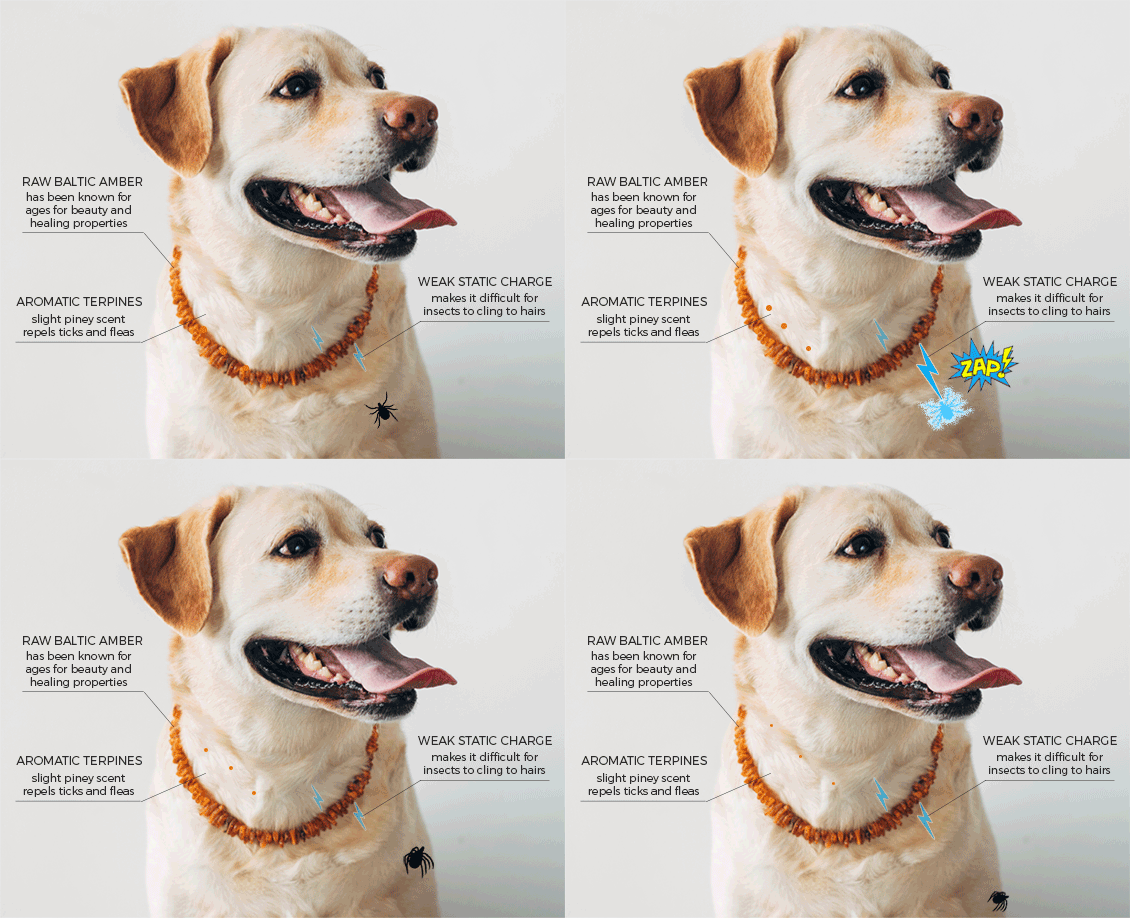
Amber is a petrified resin, which is a byproduct of trees. Amber flea collars come from stones of amber. They’re milky in color and craggy, and strung on a thread and fastened with a leather or cloth buckle. Baltic amber (from the Baltic sea) has a particularly high acid content of 8% making it the most used. The acid content in amber combines with static electricity produced from the stones rubbing against your dog’s fur. This is what repels fleas and ticks. Many say that the longer a pet wears an amber collar, the better it works.
There’s wide variety in the quality and durability. You should choose your size carefully. And be sure you’re buying from a reputable seller who only uses pure Baltic amber.
Amber is a petrified resin, which is a byproduct of trees. Amber flea collars come from stones of amber. They’re milky in color and craggy, and strung on a thread and fastened with a leather or cloth buckle. Baltic amber (from the Baltic sea) has a particularly high acid content of 8% making it the most used. The acid content in amber combines with static electricity produced from the stones rubbing against your dog’s fur. This is what repels fleas and ticks. Many say that the longer a pet wears an amber collar, the better it works.
There’s wide variety in the quality and durability. You should choose your size carefully. And be sure you’re buying from a reputable seller who only uses pure Baltic amber.
|

|
Yard Care
Keep your yard mowed regularly. Plants /shrubs cared for and trimmed appropriately. No stagnant water. Plant lavender, sage, mint, wormwood, rosemary, and marigolds, which the fleas and ticks do not like.
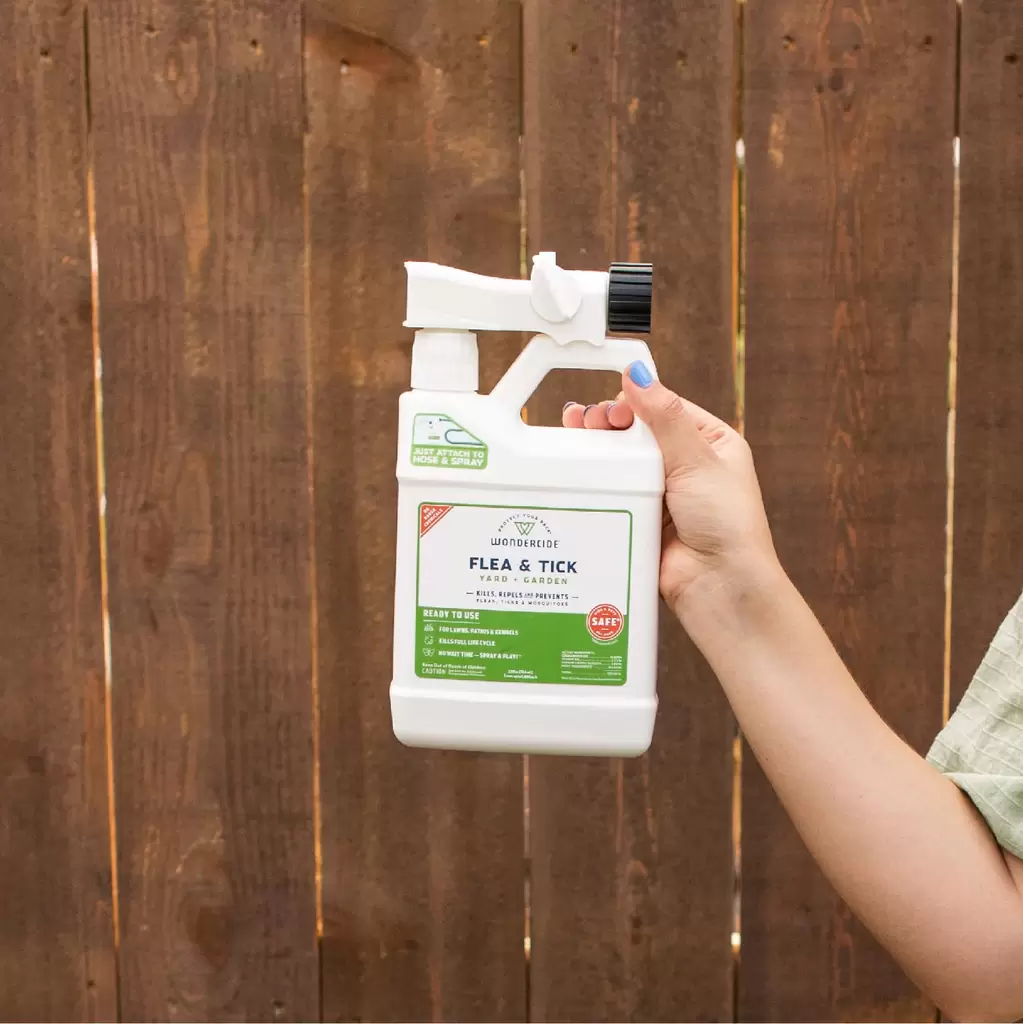
We use several natural lawn treatments. We do not use any pesticides. Vets Best and Wondercide are two options for natural lawn spray.
Beneficial Nematodes
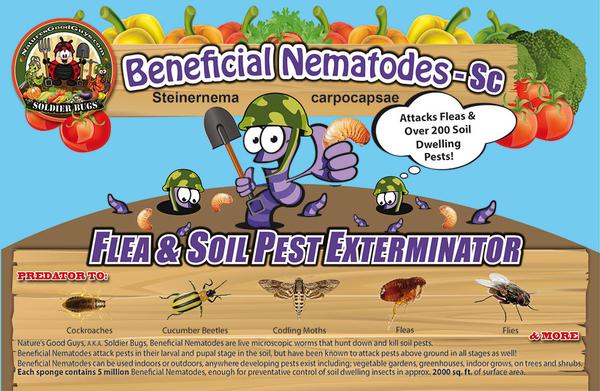
Beneficial nematodes can be used to kill flea larvae in your yard. Remember, the squirrels, rabbits, mice, and other small critters outside can be harbingers of fleas. Nematodes will not survive in hot, sunny areas of the lawn, but the fleas and ticks do not like those areas either. So spread these little guys in the shady, moist areas where the fleas and ticks are most likely to be found.
Keep your yard mowed regularly. Plants /shrubs cared for and trimmed appropriately. No stagnant water. Plant lavender, sage, mint, wormwood, rosemary, and marigolds, which the fleas and ticks do not like.
We use several natural lawn treatments. We do not use any pesticides. Vets Best and Wondercide are two options for natural lawn spray.
Beneficial Nematodes
Beneficial nematodes can be used to kill flea larvae in your yard. Remember, the squirrels, rabbits, mice, and other small critters outside can be harbingers of fleas. Nematodes will not survive in hot, sunny areas of the lawn, but the fleas and ticks do not like those areas either. So spread these little guys in the shady, moist areas where the fleas and ticks are most likely to be found.
|

|

|
|
Physical Check
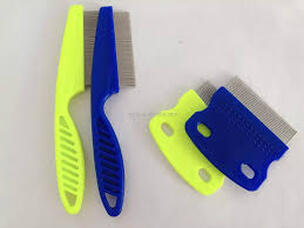
We recommend doing a good full body check on your dog at least a few times a week to check for unusual lumps and bumps anyway. Run a flea comb through their fur during this time.
If you find a flea, you've caught it before the cycle of infestation begins. Remove and kill the flea (or tick), and do a wash of all bedding, vacuum the home, bathe the dogs, and move on. Honestly, I'll usually find one flea on a dog and it's always after attending outdoor dog events. I know to give them a check when I get home. If I find anything, I bathe the dogs and never see another one for the season. No problem. The problem starts when you dont catch that first flea, and it the flea cycle begins. See below for what to do once you have a flea infestation. You want to avoid getting to this point.

|
|
But what happens if you have a flea infestation? How do you get rid of a current flea problem?
First, understand the cycle of the flea. It can takes months to kill the whole cycle (eggs, larvae, adults).
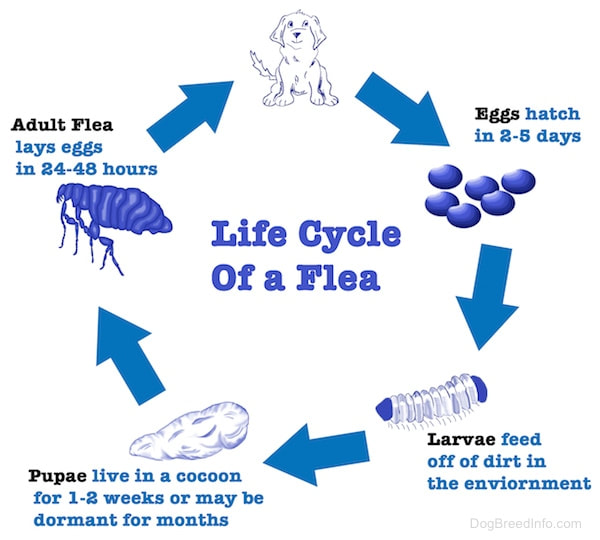
Honestly, this sucks. You definitely want to catch a problem before it starts. But you still don't need to use dangerous neurotoxins. You just have to be super commitment to at least 3 months of the following:
Wash all bedding in hot water - your bedding, the dog bedding, blankets on the couch, all of it. Wash it daily, or at least a few times a week.
Vacuum all carpets daily. If you have rugs, fabric sofas, etc. vacuum those too.
Wash all bedding in hot water - your bedding, the dog bedding, blankets on the couch, all of it. Wash it daily, or at least a few times a week.
Vacuum all carpets daily. If you have rugs, fabric sofas, etc. vacuum those too.

|

|
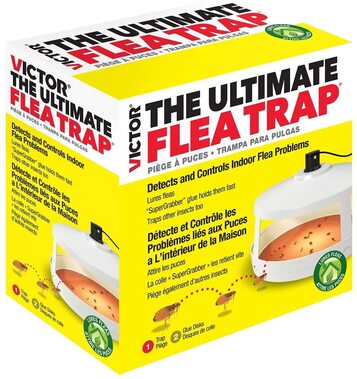
Invest in flea lamps. Light traps use light to lure fleas into the area and either catch them in the trap on a glue strip or use electricity to electrocute them. You'll want to place them near where your pets spend a lot of time, such as under beds or sofas.
(My only caution about the lamps is that they need to be monitored frequently - because they use glue traps to get the fleas to stick, there is risk to mice/reptiles/etc. I loathe glue traps for killing mice. It is incredibly inhumane. Generally mice are not lured to the light but if you live in a tropical climate, please be conscious of use around where lizards may be. You dont want a little lizard getting his belly stuck). There are also some websites with DIY instructions to use a lamp and water dish in which the fleas drown. That's another option.
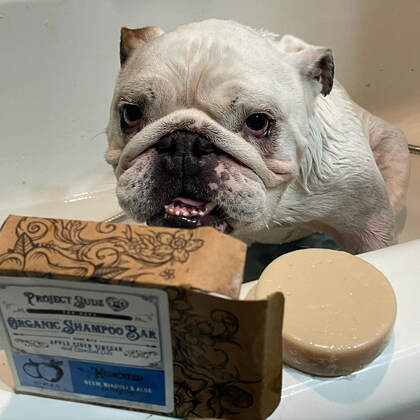
Bathe your dog at least weekly. You do NOT need special shampoo. You definitely do NOT need Dawn dish soap. I repeat DO NOT USE DAWN! Any shampoo will coat the flea and suffocate it. Choose a healthy , nontoxic shampoo for your dog. Apply around the neck and butt first to stop the fleas from going into holes, and then lather the back/belly/legs. Let sit for 10 minutes and then rinse off.
Treat your home with natural sprays, such as animalEO , wondercide or Vets Best. Continue using the above natural flea prevention on your dog.
All of the above natural preventatives also repel mosquitos as well. But we'll do a separate blog on Heartworm prevention soon. :)